
In the manufacturing sector, corporate boards and executive suites are demanding a shift in technology strategy. After years of funding loose experimental proj…
In the manufacturing sector, corporate boards and executive suites are demanding a shift in technology strategy. After years of funding loose experimental projects, leadership teams are facing severe pilot fatigue. General AI pilots and proof-of-concepts that fail to deliver bottom-line P&L value are getting defunded. In 2026, the mandate is clear: prove real-world impact, or shut the project down.
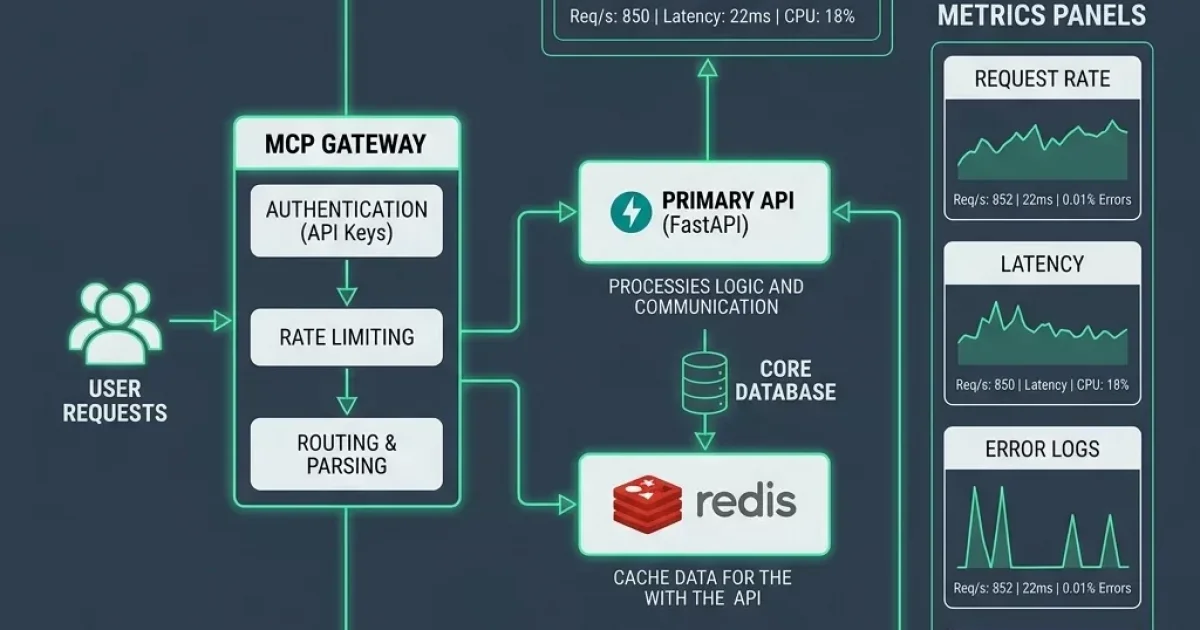
This case study documents the transformation of an anonymous mid-market industrial manufacturer. Faced with a portfolio of 16 scattered, disconnected AI experiments that were draining capital without returning value, the executive team initiated a transformation program reset. By setting up strict operational gates and building a centralized KPI tree, the manufacturer retired all 16 loose pilots. In their place, they deployed four production agents that communicate via a central event broker to manage factory floor metrics, track inventory, optimize procurement, and detect unit cost variances in real time.
The results of this portfolio consolidation were immediate. Manual operations reporting time dropped from 320 hours to 45 hours per month, the lag in detecting unit cost variances fell from 14 days to less than 24 hours, and resource utilization increased, directly improving EBITDA margins.