Introduction: The Shift to Asynchronous Engineering The rollout of Cursor 2.x marks a critical evolution in AI-assisted software engineering: the transition fr…
Introduction: The Shift to Asynchronous Engineering
The rollout of Cursor 2.x marks a critical evolution in AI-assisted software engineering: the transition from synchronous inline assistance to asynchronous background coding agents. In early AI editors, developer interaction was highly sequential. A programmer requested an autocomplete block or initiated a chat session and sat waiting for the model to stream its output before compiling the changes and moving forward.
With Cursor 2.x, this block is removed. Developers can now spawn a cursor background agent to execute complex, multi-file refactoring tasks (e.g., "Migrate the authentication backend from JWT tokens to HttpOnly session cookies"). The agent spins up in an isolated background thread, analyzing AST structures, applying code modifications, and running local compilers, while the developer continues writing code on unrelated files.
Under the Hood: The Asynchronous Agentic Loop
Cursor's background agent architecture runs on a local, process-isolated daemon container. When a developer assigns a task, the editor delegates the workspace context to this daemon.
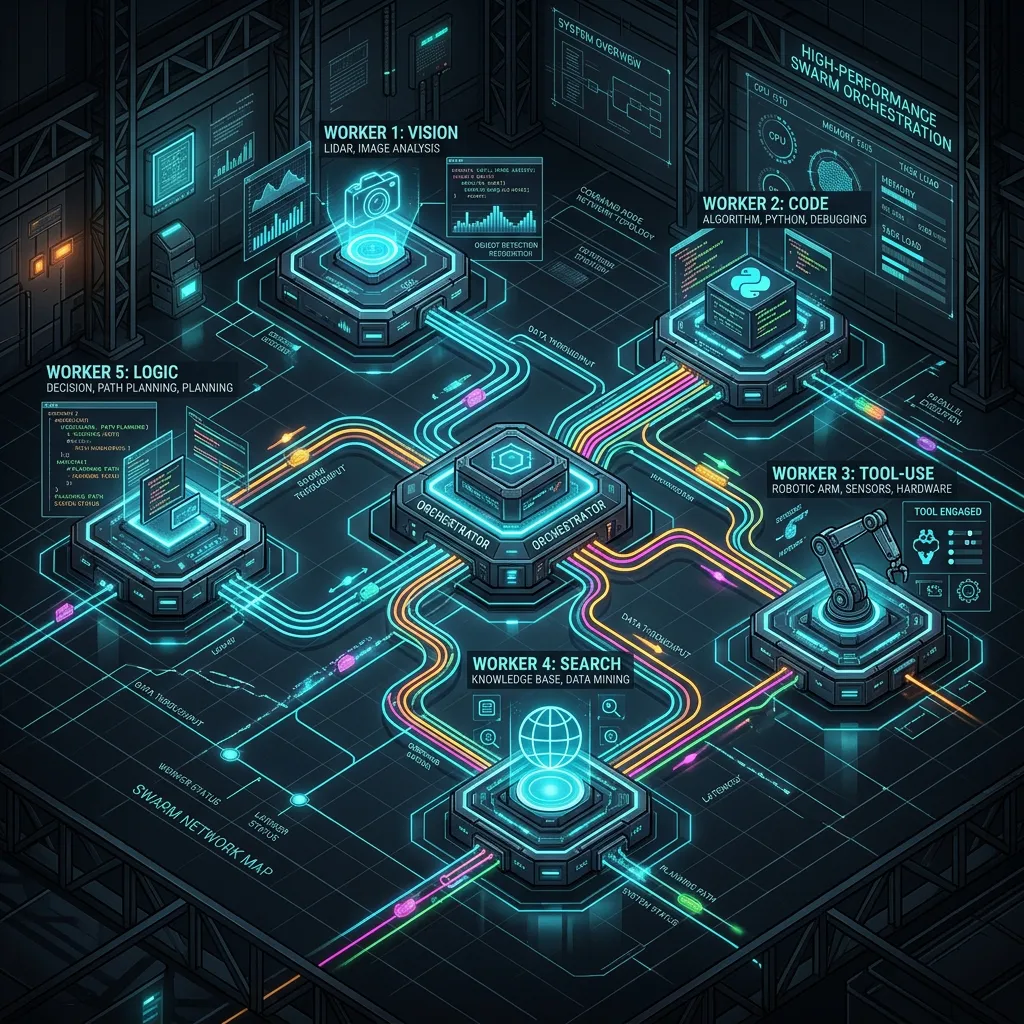
This process operates as a background execution cycle:
- Context Extraction: The daemon inspects the active Git workspace and extracts relevant code symbols, utilizing a local vector index to locate files associated with the target refactoring goal.
- Parallel Staging: Rather than editing the active files directly and disrupting the developer's cursor flow, the background agent clones the files into a local staging directory.
- Execution & Self-Correction: The agent applies the edits, runs local compilers (like
tscorgo build), and parses test logs. If it encounters a type mismatch or linter warning, it refactors the staged code in-place until the build compiles cleanly. - Interactive Handshake: Once the background agent completes its verification loop, it presents a side-by-side diff in the editor, allowing the developer to review and merge the changes with a single keystroke.
Autonomous PR Pipelines and Ecosystem Alignment
This trend is not isolated to local editor daemons. It represents a broader ecosystem shift toward autonomous pull request automation, aligning with platforms like GitHub Copilot Workspace and automated PR platforms.
Instead of keeping the agent local, Cursor 2.x integrates directly with remote Git providers. Once a background agent completes a task locally, it can automatically:
- Create a target feature branch.
- Stage and commit the modified files with clean, semantic commit messages.
- Submit a Pull Request to the repository.
- Monitor remote CI/CD workflows, intercepting test failures on the remote server and pushing corrective commits automatically.
Strategic Playbook and Git Loop Integration
Managing these asynchronous PR pipelines requires strict version control boundaries and automated merge checks to prevent agents from introducing conflict loops. For a comprehensive breakdown of AST-based conflict resolution, git staging automation, and self-correcting test loops, refer to the detailed playbook: The Developer's Masterclass to Claude Code.