Strategic overview
STRATEGIC OVERVIEW The Shift to Autonomous Infrastructure As companies move beyond static LLM deployments, the current challenge is managing Autonomous AI Agen…
The Shift to Autonomous Infrastructure
As companies move beyond static LLM deployments, the current challenge is managing Autonomous AI Agents—LLM-driven processes that can act on your behalf, call APIs, and self-correct when they encounter errors.
Deployment Architecture
The recommended blueprint for an enterprise-ready agent platform is built on Kubernetes (k8s) for maximum portability and scale.
- Isolated Runner Pods: Each agent instance executes in an ephemeral, sandbox container with restricted network access.
- Shared Vector Context: Low-latency connectivity to a centralized vector database for long-term memory.
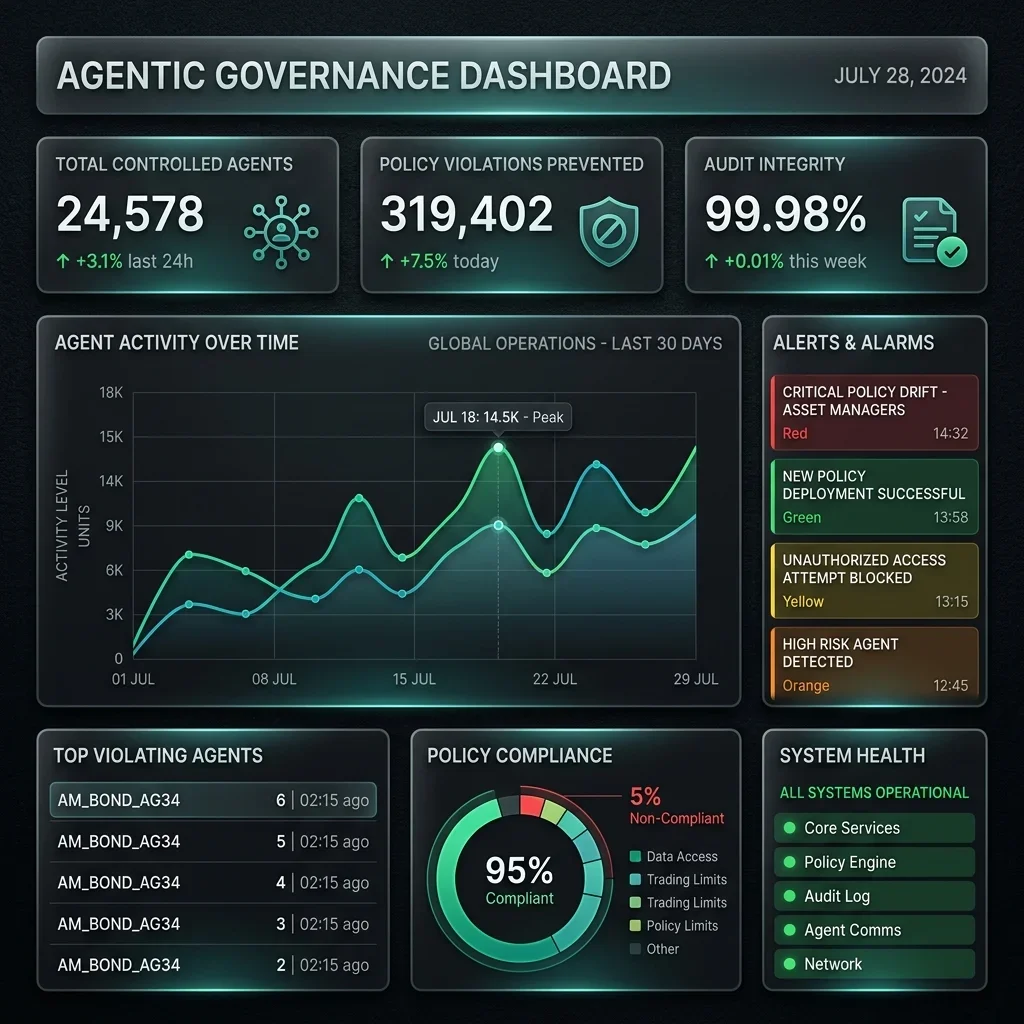
- Audit Relay: A dedicated microservice that intercepts all agent outputs to ensure compliance with predefined business policies.

Why This Solution Wins at Scale
- Infinite Scaling: Leverage k8s Horizontal Pod Autoscaler (HPA) to scale agent clusters based on message queue depth.
- Fault Tolerance: If an agent instance hangs or encounters a fatal model error, k8s automatically replaces the pod, maintaining workflow continuity.
- Data Gravity: Deploying the agents close to your on-premise or cloud-native data stores minimizes latency and security overhead.
Best Practices for "Agent-Ops"
Deploying agents is half the battle; maintaining them is the other half. We recommend implementing:
- Semantic Monitoring: Alerting based on the "intent" of the agent's output rather than just HTTP error codes.
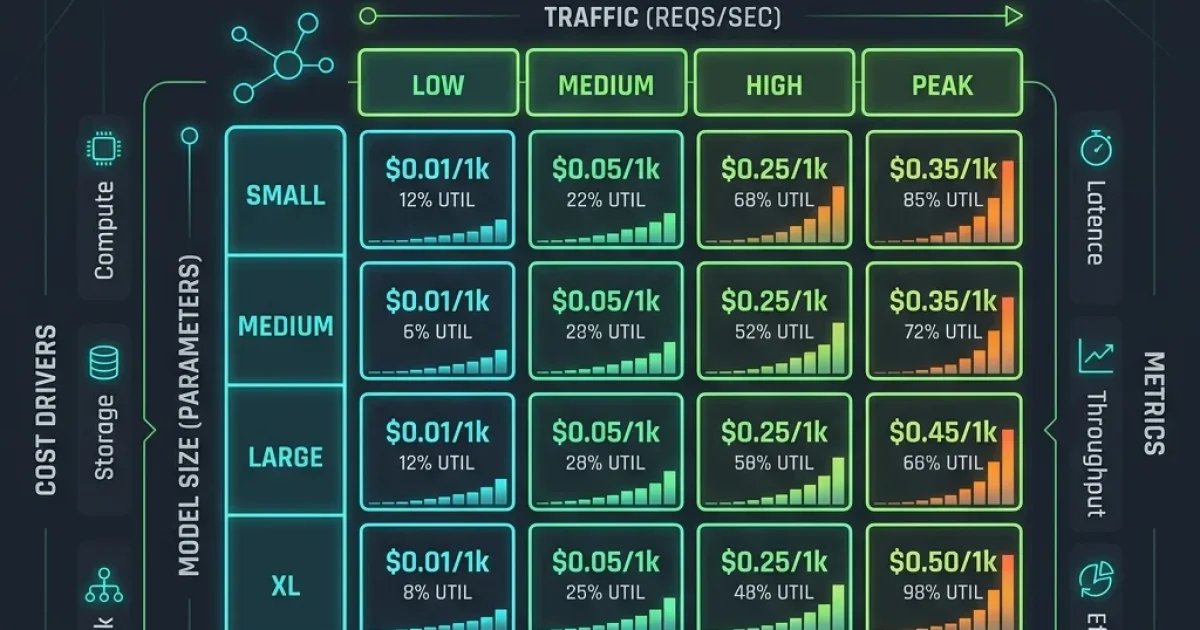
- Cost-Aware Routing: Automatically switching between high-capability models (e.g., GPT-4o) and cost-optimized models (e.g., Llama 3) based on the task complexitiy.