Anthropic has submitted a confidential draft registration statement on Form S-1 with the SEC, preparing for a historic public listing at a valuation target of $965 billion.
What Happened
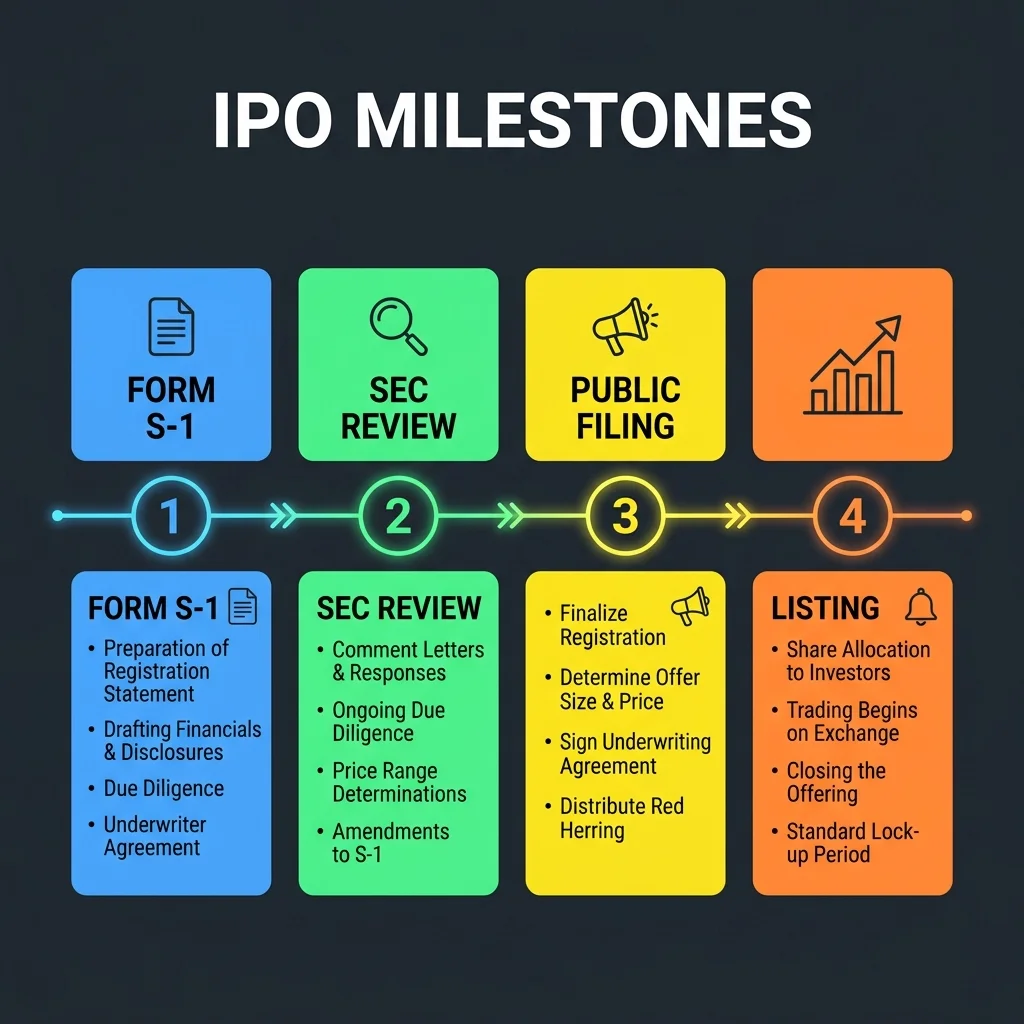
On June 1, 2026, Anthropic announced that it has confidentially submitted a draft registration statement on Form S-1 to the U.S. Securities and Exchange Commission (SEC) for a proposed initial public offering (IPO) of its common stock. The confidential filing, executed under Rule 135 of the Securities Act, allows Anthropic to undergo SEC review without exposing sensitive financial details, product roadmaps, or strategic contracts to competitors.
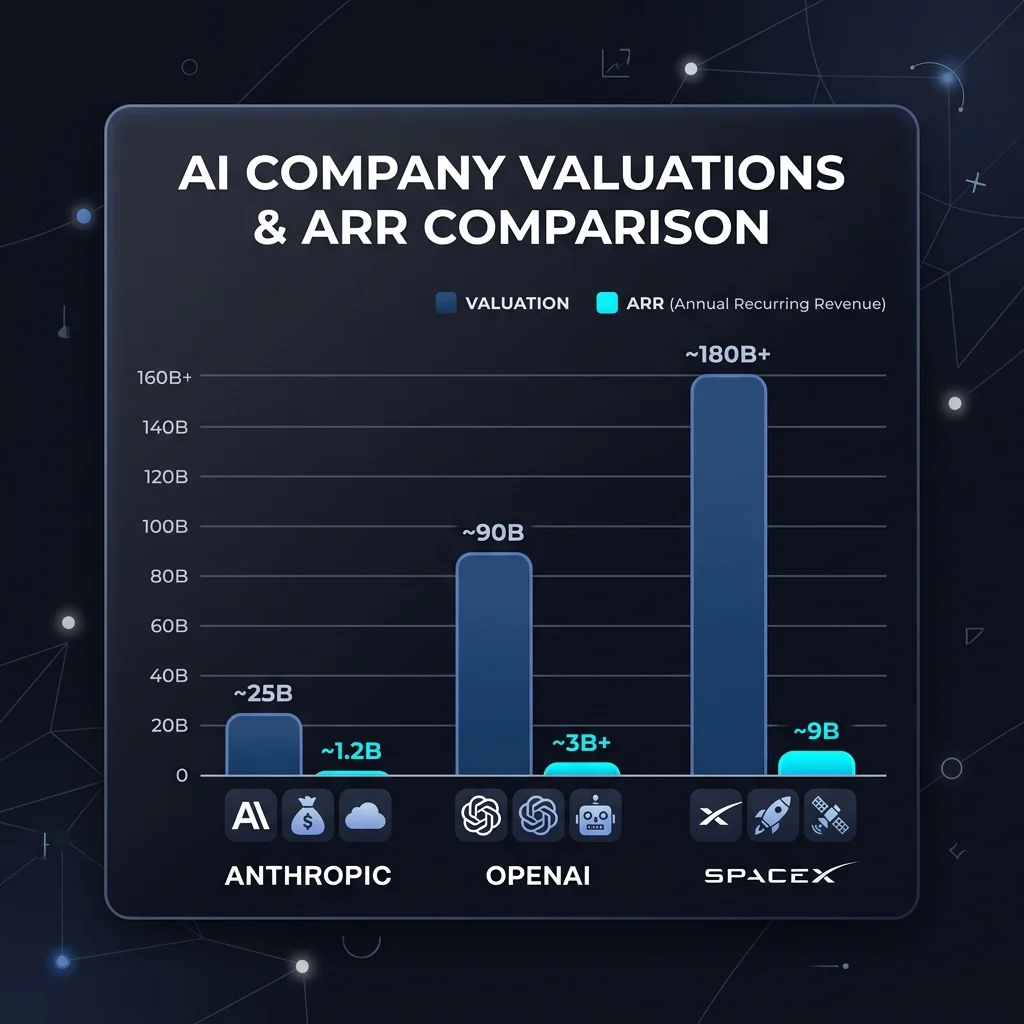
The public listing plans follow a Series H funding round that valued the AI builder at $965 billion post-money. This valuation represents a significant milestone, positioning Anthropic near the trillion-dollar mark before its public debut. Financial disclosures suggest the listing is supported by a strong enterprise revenue run-rate of approximately $47 billion, driven by developer tool adoptions, custom model fine-tuning services, and the widespread use of Claude Code terminal agents.
The timing of this offering aligns with a broader trend of large private technology companies preparing for public markets. Industry analysts view the concurrent IPO preparations of Anthropic and SpaceX as a turning point that will test public investor appetite for high-growth, capital-intensive technology businesses.
Technical/Financial Comparison
To evaluate the scale of Anthropic's public market debut, we can compare its estimated financial metrics and listing parameters with major competitors and capital-market peers:
| Valuation & Listing Metric | Anthropic (S-1 Target) | OpenAI (Private Target) | SpaceX (Private Peak) | Salesforce (Public Benchmark) |
|---|---|---|---|---|
| Current Valuation / Cap | $965 Billion | $1.2 Trillion (Est.) | $410 Billion | $320 Billion |
| Latest Funding Tier | Series H (Post-money) | Venture-backed SPV | Secondary Tender Offer | NYSE Listed (CRM) |
| Estimated Revenue Run-Rate | $47 Billion | $58 Billion | $15 Billion | $39 Billion |
| P/S Multiple (Valuation/ARR) | ~20.5x | ~20.7x | ~27.3x | ~8.2x |
| Key Backers | Google, Amazon, Salesforce | Microsoft, Thrive, Khosla | Fidelity, Sequoia, Founders Fund | Public Shareholders |
| Filing Status | Confidential S-1 (June 1) | Exploring Restructuring | Regulation D Placements | SEC Reporting Compliant |
Why It Matters
Anthropic's move toward public markets marks a shift in how the generative AI industry is funded. For the past several years, AI research and development have been sustained by multi-billion dollar venture rounds and cloud compute partnerships. Shifting to public markets will introduce new standards of financial reporting and operational transparency to the sector.
Transition from Venture Capital to Public Markets
Venture capital funds are built around long-term returns, which can sometimes isolate companies from immediate market pressures. By listing publicly, Anthropic will need to share quarterly disclosures regarding margins, customer acquisition costs, and capital expenditures. This transition will provide developers and enterprise buyers with a clearer look at the long-term viability and operational costs of foundation model providers.Strategic Capital for Computing Infrastructure
Developing state-of-the-art models requires substantial capital for computing power. A public listing provides Anthropic with access to public debt markets and a broader pool of capital, helping it fund the infrastructure needed for next-generation models without relying solely on large tech partnerships.For enterprise software leaders, a public Anthropic also offers more predictable pricing and long-term support guarantees. This financial stability is crucial as companies transition from testing prototypes to deploying autonomous agents in production environments. Developers building in this space should focus on creating reliable, cost-efficient agentic architectures, a topic we discuss in our analysis: Vibe Coding is Dead: The Rise of the Sovereign Engineer.
The following TypeScript example demonstrates how developers can programmatically query mock public financial data endpoints using the Anthropic API to analyze market trends:
import { Anthropic } from '@anthropic-ai/sdk';

// Initialize the Anthropic client
const anthropic = new Anthropic({
  apiKey: process.env.ANTHROPIC_API_KEY,
});

interface FinancialMetric {
  ticker: string;
  revenueRunRate: number;
  marketCapTarget: number;
  filingDate: string;
}

async function analyzeIPOMetrics(companyData: FinancialMetric) {
  console.log(`[Market Analysis] Evaluating S-1 metrics for: ${companyData.ticker}`);

  try {
    const prompt = `Analyze the following S-1 financial metrics and calculate the estimated Price-to-Sales multiple.
Provide a risk assessment for public market listing based on a valuation of $${companyData.marketCapTarget}B and ARR of $${companyData.revenueRunRate}B:
- Ticker: ${companyData.ticker}
- Revenue Run-Rate: $${companyData.revenueRunRate} Billion
- Target Market Capitalization: $${companyData.marketCapTarget} Billion
- Filing Date: ${companyData.filingDate}`;

    const response = await anthropic.messages.create({
      model: 'claude-5-fable-20260609',
      max_tokens: 1500,
      messages: [
        {
          role: 'user',
          content: prompt
        }
      ]
    });

    console.log('[Analysis Completed Successfully]');
    console.log(response.content[0].text);
  } catch (error) {
    console.error('[Error] Failed to complete financial analysis:', error);
  }
}

// Evaluate mock financial profile for the filing
analyzeIPOMetrics({
  ticker: 'ANTR',
  revenueRunRate: 47,
  marketCapTarget: 965,
  filingDate: '2026-06-01'
});
What to Watch Next
Now that the confidential S-1 has been submitted, the SEC will begin its review process. This phase typically takes several months as regulators verify financial reporting methods, evaluate governance structures, and clarify computing expense details.
Once the initial review is complete, Anthropic is expected to file an updated public S-1. This document will reveal details about their historical revenue, cloud compute costs, and ownership structures, providing the market with a clearer picture of the company's financial health.