Uber's CTO Praveen Neppalli Naga has deployed 16 'agentic pods'—groups of AI-proficient engineers embedded inside corporate divisions like finance, legal, and HR—to design custom automation and bypass old administrative bottlenecks.
What Happened
Many enterprises are struggling with their AI investments, having purchased thousands of generic copilot seats only to find marginal gains in back-office productivity. On July 9, 2026, detail of Uber's internal AI playbook emerged via Business Insider and posts from CTO Praveen Neppalli Naga, outlining a highly structured counter-model: Agentic Pods.
Rather than wait for third-party SaaS vendors to release generic agent packages, Uber took a hands-on approach. The company formed 16 Agentic Pods — cross-functional squads containing a total of 30 AI-proficient software engineers — and embedded them directly inside corporate divisions like finance, legal, and HR.
The mandate was simple: analyze existing administrative workflows, identify structural friction points, and build custom autonomous agents to automate the work. The results of the initial two-month push show massive, concrete velocity improvements.
The "Pod" Structure: Developer + Operator
The core philosophy behind Uber's pods is that AI engineers cannot build useful automation in a vacuum. A developer sitting in a core tech silo doesn't understand the nuance of legal contract review or HR policy compliance.
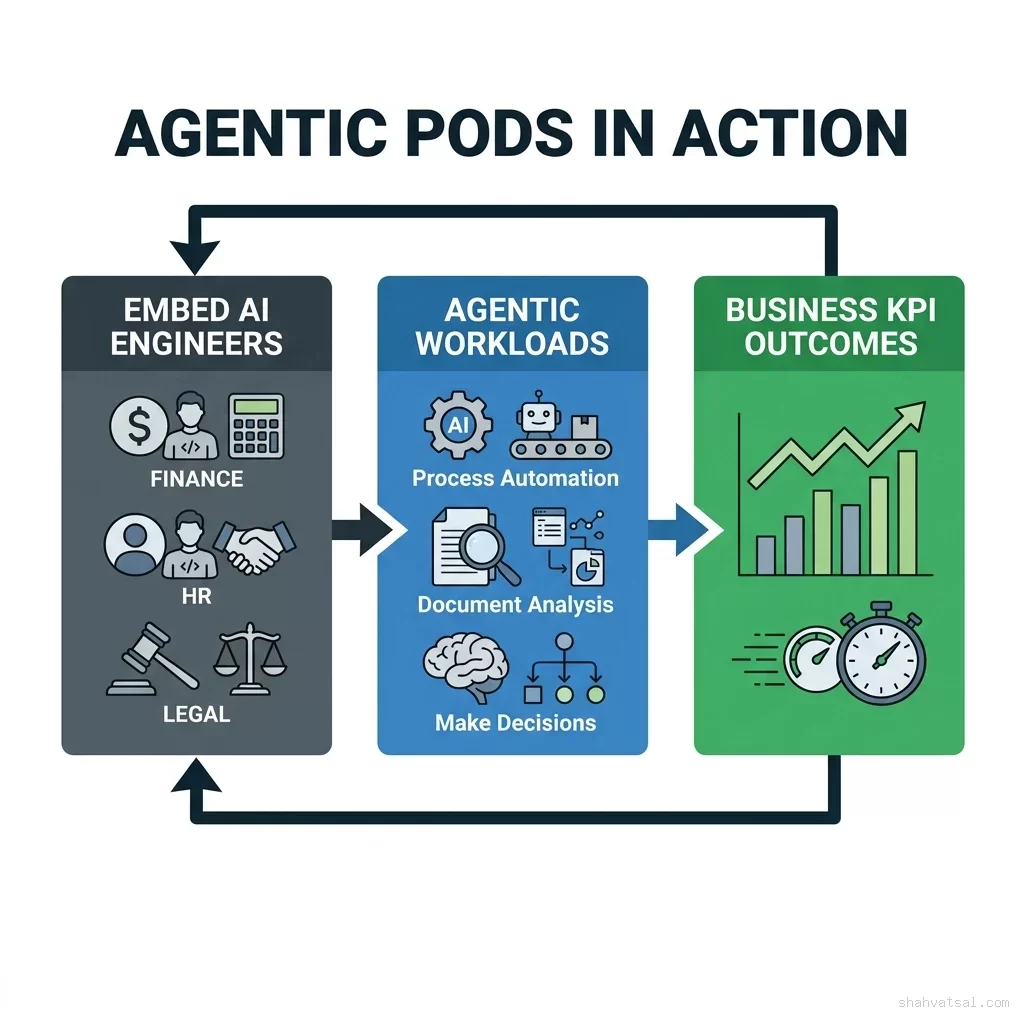
Uber's Agentic Pods solve this by pairing AI-proficient engineers with business experts:
- Direct Embedding: Engineers spend their days sitting with the HR specialists, accountants, and contract managers who execute the processes daily.
- Process Redesign: Instead of wrapping old workflows in a chatbot, the pod redesigns the process from scratch, leveraging the capabilities of autonomous agents.
- Custom Orchestration: The pods construct custom workflows utilizing Google Cloud Vertex AI, OpenAI APIs, and internal databases to build agents that fit into Uber's specific data architecture.
The Operational Yield: Days to Minutes
Uber's initial pod deployments focused on heavy data aggregation and analytical tasks in finance and city management, where human operators typically spent hours parsing spreadsheets:
1. Financial Pacing Reports
Drafting corporate financial pacing reports was a multi-day administrative burden. Operators had to compile transaction records, analyze variance, and draft explanations. The finance pod automated this aggregation and drafting process, cutting report times from 2 days down to 10 minutes.2. Capital Allocation across 150 Cities
Uber manages capital allocations (like driver promotions and marketing spend) dynamically across 150 cities. Adjusting these parameters required compiling local market data and running manual scenario models. The local market pod built agents that reduced this workflow from 15 hours to 30 minutes, enabling faster adjustments to local market conditions.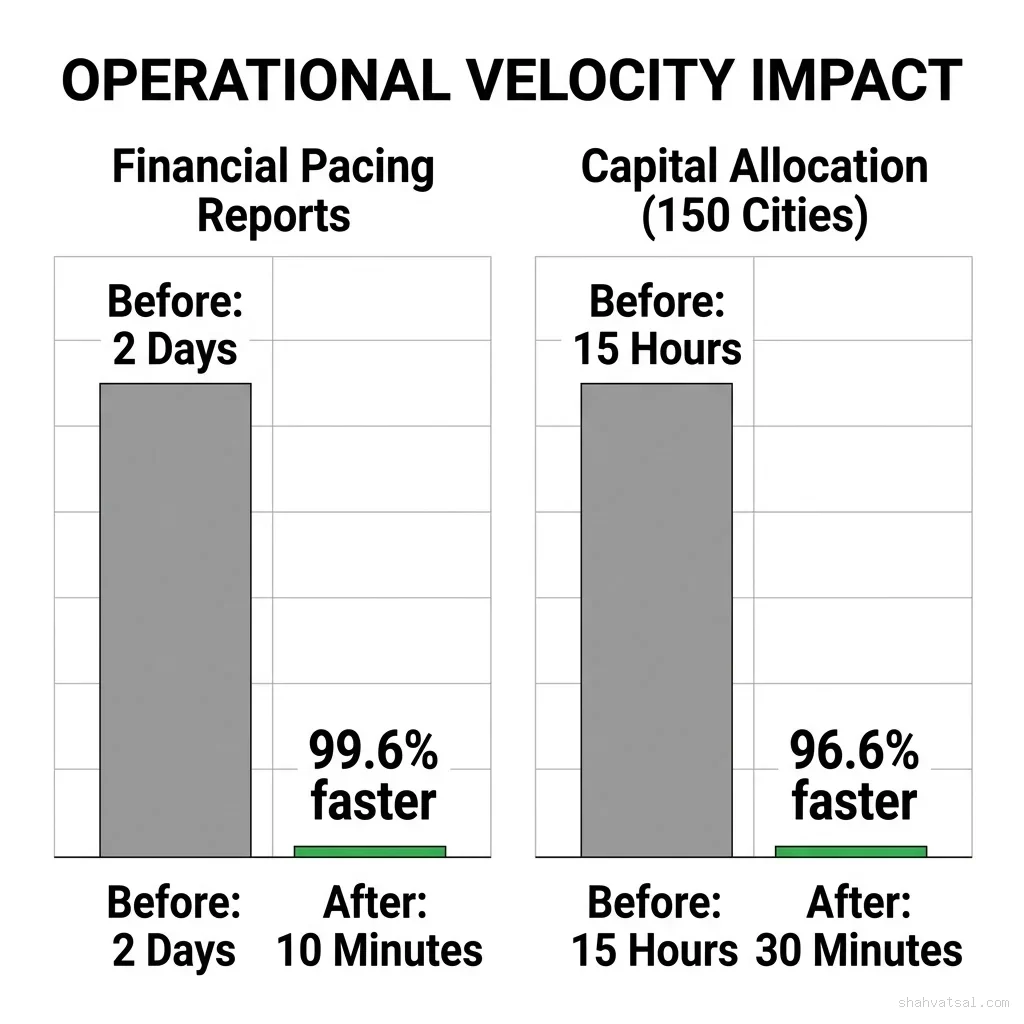
A Corporate Playbook for the Agentic Era
Uber's approach offers three key lessons for enterprise leaders trying to get value out of their AI spend:
1. Quit buying generic chat assistants.
Chatboxes require humans to prompt them, which does not change the underlying workflow. Custom agentic pipelines run in the background, executing processes and presenting finalized reviews to human operators.
2. Decentralize your AI talent.
Keeping your AI engineers in a central research lab leads to theoretical tools. Embedding them inside corporate departments forces them to solve real-world problems.
3. Focus on Process Redesign, not Patching.
If your current process requires five manual approvals, putting an AI wrapper on it doesn't help. The pod's job is to ask, "Why do we have these five steps, and how can an agent execute them safely in one step?"
Following the success of these 16 initial pods, Uber is reportedly planning to expand the program, establishing dedicated agentic scale teams to review operational workflows across all lines of business.
Sources
- Business Insider: Uber CTO Bets on Agentic Pods
- Uber Engineering: AI Transformation and Corporate Agent Operations